The Fire You Put Out by Doing Nothing
Quenching the Spirit, false humility, and the prompting you talked yourself out of
Steve Stewart · August 5, 2026 · 7 min read
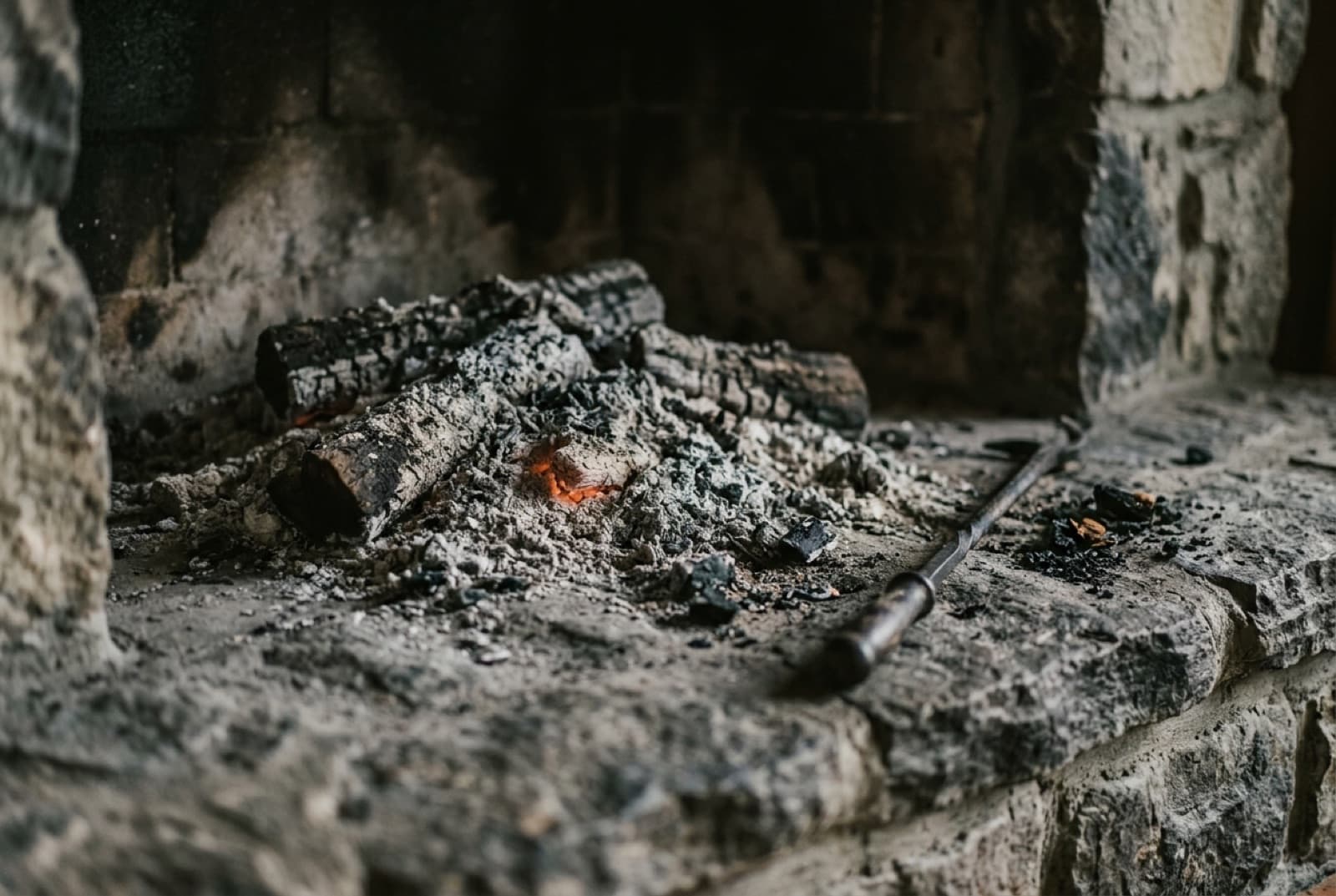
You do not need water to put out a fire.
Ask anyone who heats with wood. A fire dies two ways — you can drown it, or you can simply stop tending it. Let the ash build. Add nothing. Do nothing. The fire will smother itself under the weight of your inaction, and the room goes cold without anyone ever making a decision.
Paul writes to the Thessalonians: "Do not quench the Spirit."
Most of us have never poured water on the fire of God. We have just sat still and let it go out.
Grieving happens in private. Quenching happens in the room.
It is worth putting these two side by side, because Scripture does.
The Spirit is grieved by what we say outside the assembly — the private talk that tears the body down. The Spirit is quenched by what we refuse to do inside it. Grieving is a sin of speech. Quenching is a sin of stillness.
And the very next verse tells you exactly what Paul has in mind: "Do not despise prophecies." Verse twenty is the explanation of verse nineteen. The fire gets smothered when the people God is prompting sit on what He gave them — the word of encouragement never spoken, the prayer never offered, the prompting never obeyed, because somebody was afraid of being wrong.
The lie underneath the stillness
Here is the lie, and it wears the most convincing costume in church: humility.
God can use other people. Not me. Who am I to speak up? I would probably get it wrong.
That sounds humble. It is not. It is unbelief with good manners. Real humility says "I am available" and leaves the results to God. False humility says "I am exempt" and calls the fear reverence. And a room full of exempt people is a cold room — not because God stopped speaking, but because everyone He spoke to declined to move.
And understand what the stillness actually purchases. Being in the flesh and doing nothing is still being in the flesh. You just missed it, too.
Mining, not gatekeeping
"But test all things" — someone always says it, and they are right. Paul says it himself, two verses later. The question is what kind of testing he means.
Most of us test like gatekeepers. Arms crossed, guilty until proven innocent, looking for the reason to dismiss. But that is not the picture. The picture is mining. A miner moves a ton of ore to get to the gold, and he never once resents the ore — because he is after the gold. Test all things the way a miner tests: expecting treasure, discarding what fails, keeping what is precious.
A hitter taught me the same thing in different clothes. A good hitter does not stand at the plate waiting to decide whether to swing. He assumes the pitch is his until it proves otherwise. He is loaded before the ball leaves the hand. That is the posture — anticipating, not auditing. You cannot swing late at God.
The numb nose
I will tell you the story I told our church, because it is the whole teaching in one strange moment.
Years ago, in a revival meeting, my nose went numb. That was the prompting — that is all I had. It made no sense, and every reasonable voice in me said to sit still and say nothing, because who stands up in a service over a numb nose?
I obeyed it anyway, out loud, feeling foolish. And the thing I could not have known is that it meant something to somebody in that room — and the door it opened ended with a woman giving her life to Christ.
I have thought about that night for years. Not because the prompting was strange, but because of how close I came to sitting on it. The math of obedience is lopsided: if I had been wrong, I would have felt foolish for a minute. Because I was not, a woman met Jesus. There is no waste at the altar. Even the imperfect move, made in faith, is not wasted. But the prompting you sit on is gone for good.
Learning His voice in the daylight
The honest question underneath all of this: how do I know it is God and not just me?
Here is the practice I give our church. When a thought comes that might be a prompting, push it away. If it is just you, it will drift off. If it comes back — begin mining it. Give God room to confirm it or kill it. I have prayed some version of "buckle my knees if this is not you" more times than I can count, and He has been faithful in both directions.
And practice in the daylight. Do not make Sunday morning the only place you ever try to hear God. Learn His voice in the ordinary week, in the good season — because the ear you train on the mountain is the same ear you will need in the valley, and the valley is a hard place for a first lesson. Even the dry seasons teach this: sometimes His presence is not fire at all, but a calm and a brokenness that simply says, I see you.
The fire does not ask much. It asks to be tended.
Pause Point
- What prompting have you talked yourself out of — and what did the "humility" that stopped you actually believe about God?
- When did you last practice listening for God outside a church service?
- If there is no waste at the altar, what is the worst that happens if you obey and get it wrong? What is the worst if you are right, and still?
This piece is adapted from the opening night of The Deep Things, a Wednesday-night series on the Holy Spirit at Cornerstone Tabernacle.
Get the next article
Short writing on belief and formation, straight to your inbox.